This is a review of Chapter 4 of Chemistry of Hazardous Materials by Meyer & Mauerman. It is not meant to be a summary of the chapter, but a few insights I learned and my general thoughts for application to a business. This chapter is called “Chemical Forms of Matter”.
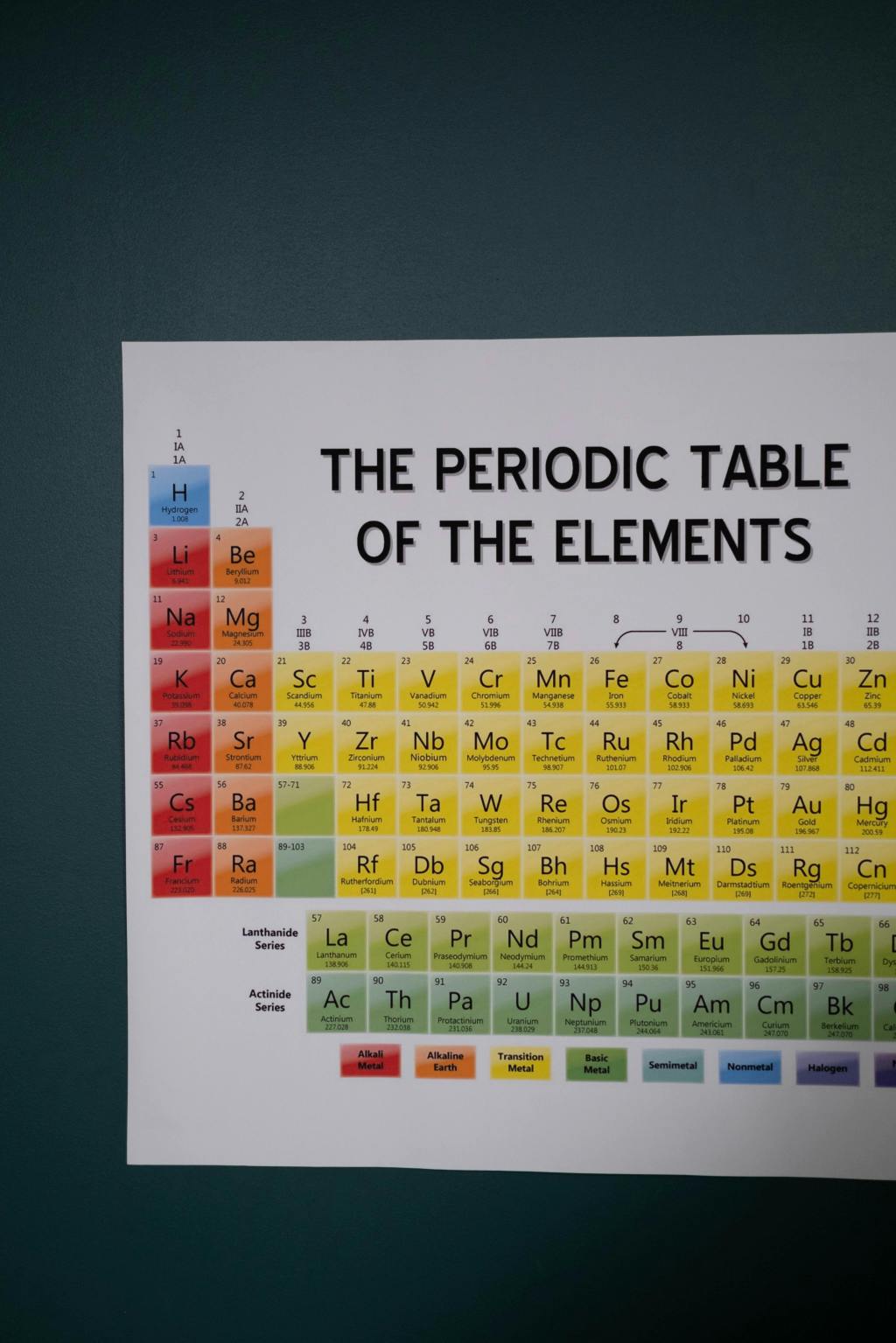
Basic chemistry is discussed first in this chapter. The authors explain concepts like protons, neutrons, and electrons, as well as the periodic table and how to read it. The various families of elements are defined, and some of these families contain elements which are highly reactive, so people working with hazardous materials and rescue personnel should understand this material.
There is a lengthy discussion of how atoms bond with one another and why they do it. Atoms form bonds because they become more stable when their outer electron shell is full. Many atoms achieve this by gaining, losing, or sharing electrons to reach a configuration similar to that of noble gases, which rarely bond with anything.
Solvents and solutes are talked about, many solvents are flammable, so this is crucial to understand.
The charges of common ions are given, as well as practice questions to determine the name of a compound from a formula, and determine the formula from a name.
In a mishap, plant employees, managers, and emergency responders should know the name and chemical formula (i.e. H2O) of the chemicals involved. The naming of acids is also discussed.
Finally, molecular weights, formula weights, and the mole are discussed.
I heartily recommend this chapter to anyone wanting to brush up on their chemistry knowledge for work in a chemical plant, EHS, or emergency response. If there is an emergency, if you are working in a chemistry lab, or if you are a plant manager, you may want to know what elements are in hydrochloric acid, or what AlF3 is, or the difference between sulfate and sulfite. If you know that two substances like to bond with each other, and that they form a dangerous compound when they bond, or they give off a dangerous by-product, you may want to keep those two substances separated.
I used AI to assist in writing this post.
 HazMat Code & Practice
Leave a comment